Blow-In Insulation in Arizona
Blown-in loose-fill insulation that fills Arizona attics and enclosed cavities for better, more even coverage.
Blow-in insulation gives Scottsdale and East Valley properties a practical way to add thermal protection where it is often needed most, the attic. Loose-fill fiberglass or cellulose is blown through a hose and spread across the attic floor, settling around joists, wiring, ductwork, and framing that make other insulation types hard to fit neatly.
Supreme Spray Foam Insulation installs blown-in insulation for residential and commercial properties across Scottsdale, Phoenix, Tempe, Mesa, Chandler, Gilbert, Paradise Valley, and Fountain Hills. The right material and depth depend on the space, what is already in place, and what the building needs to accomplish.
How Blown-In Insulation Works
A blowing machine breaks up compressed fiberglass or cellulose and pushes the material through a long hose into the work area. The installer directs the flow across the attic floor or into enclosed cavities, building the material up in even layers until the target depth is reached.
Because the material is loose, it flows into the spaces that cause problems for other products. It fills around joist bays, cross bracing, electrical runs, plumbing stacks, and odd corners at the eaves, creating a continuous blanket instead of a patchwork of fitted pieces.
Where Blow-In Insulation Fits Best
Blow-in insulation is most commonly used on open attic floors, where coverage and depth matter more than a finished surface. It is also used to top up existing insulation that has thinned, shifted, or been disturbed by past work, and to fill enclosed cavities such as certain walls and floor assemblies where loose fill can be packed in through small access points.
For many East Valley homes, the attic is the single biggest source of summer heat gain, and it is also one of the easiest places to add insulation quickly. That combination makes blown-in material a common first step for owners who want better comfort without a full renovation.
R-Value, Depth, And Settling
With loose-fill insulation, thermal performance is tied to depth. The deeper the material is installed across the attic floor, the higher the overall R-value, so installers measure coverage in inches and confirm target depths before the work begins.
Some settling is normal with loose-fill products, and cellulose in particular can compact over time. A careful installer accounts for that by installing to an initial depth that supports the intended settled coverage, and by being straightforward about what the material will and will not do over the years.
Blow-In Insulation Versus Batts
Batt insulation comes in pre-cut rolls or panels that have to be fitted between framing members. In a clean, open stud bay that works fine, but real attics are full of obstructions, and every cut around a wire, junction box, or angled joist is a chance to leave a gap.
Blown-in material does not need to be cut or fitted. It settles into place as a continuous layer, which reduces the small voids and compression points that can drag down the real-world performance of a batt job. For irregular or crowded attic spaces, that coverage advantage is the main reason blow-in is often recommended.
Blow-In Insulation Versus Spray Foam
Blow-in insulation and spray foam solve different problems. Loose-fill adds thermal resistance across the attic floor, but it does not stop air movement on its own, so attic air sealing around penetrations, top plates, and light fixtures is often handled as a separate step before or during the job.
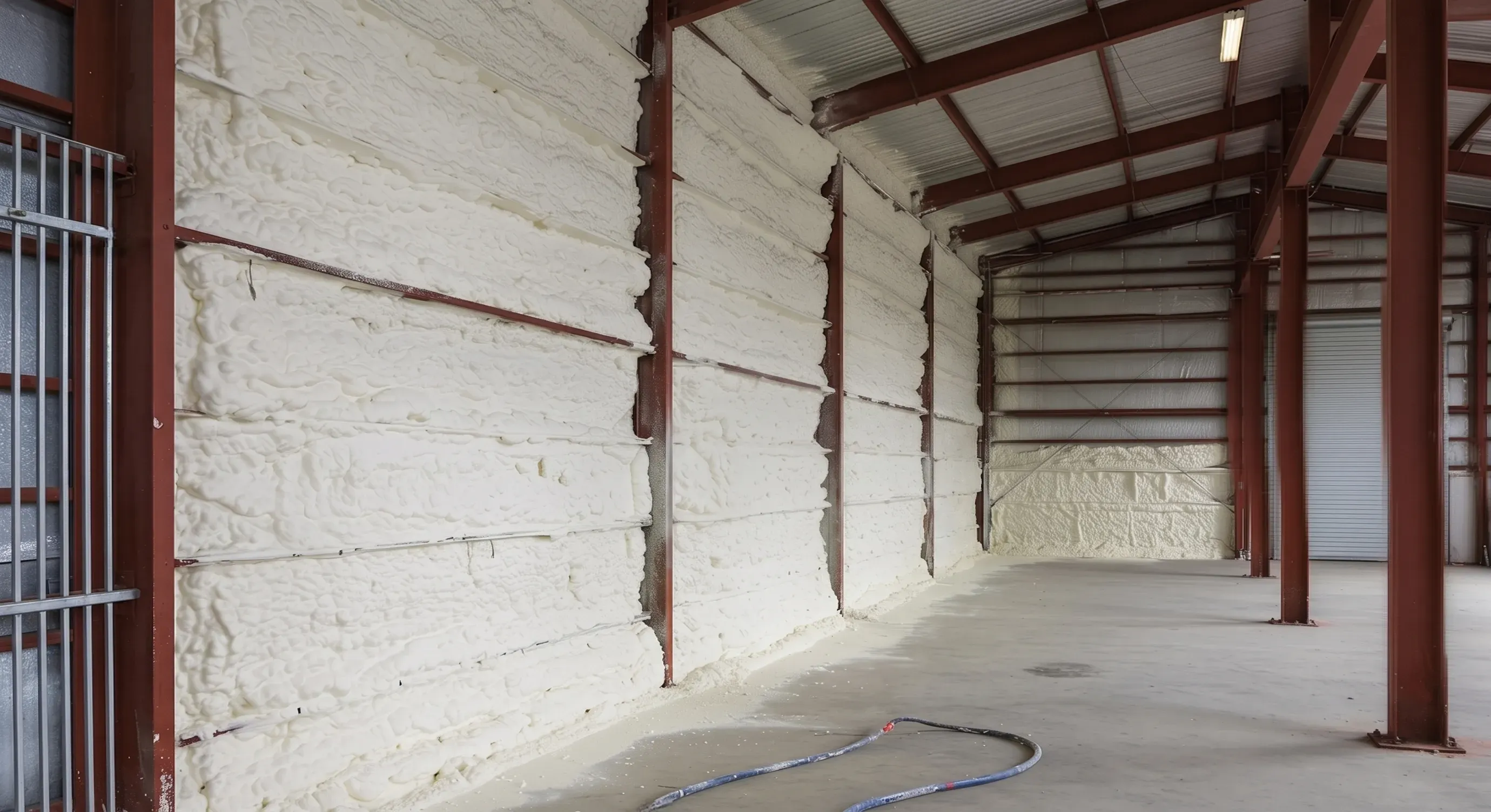
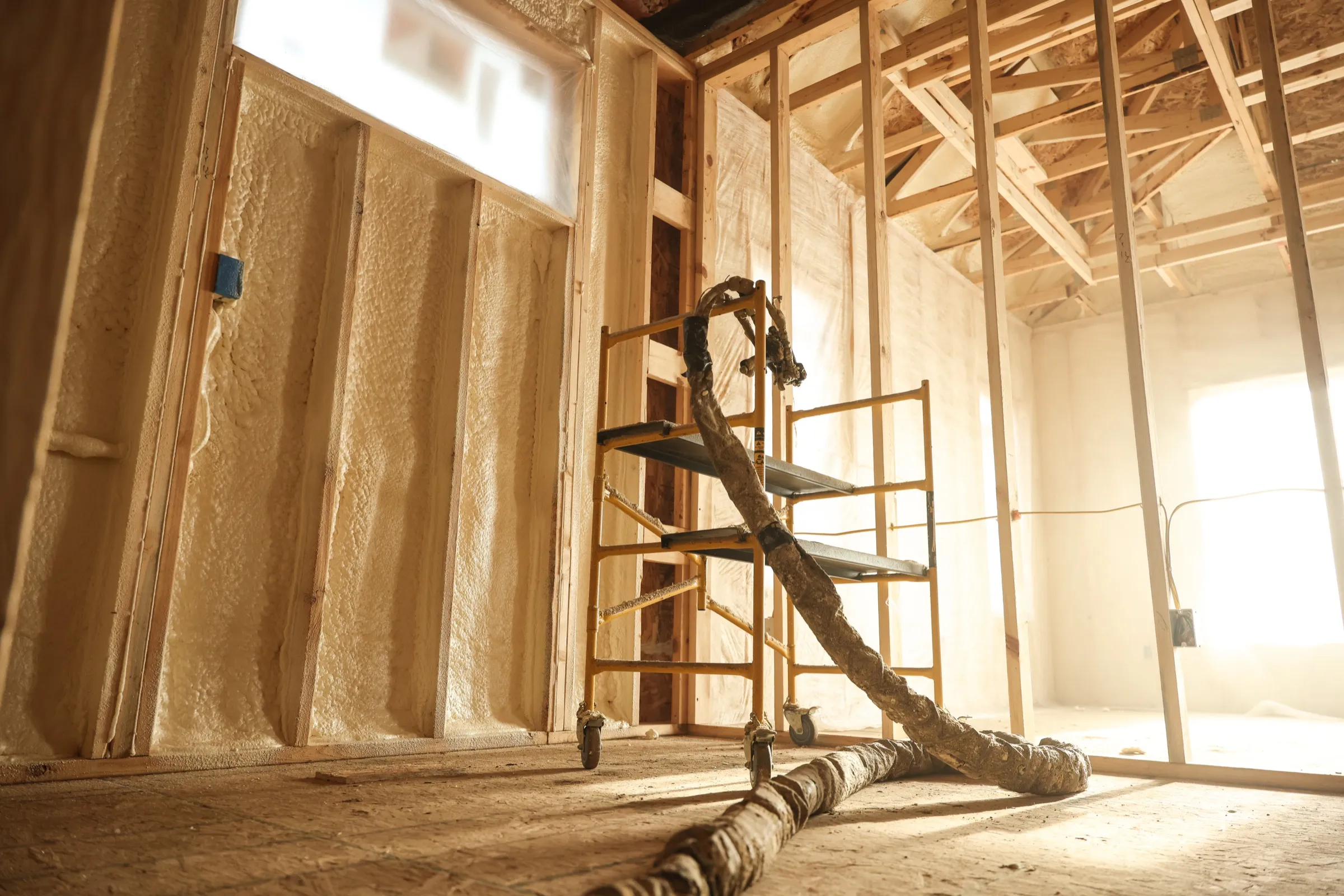
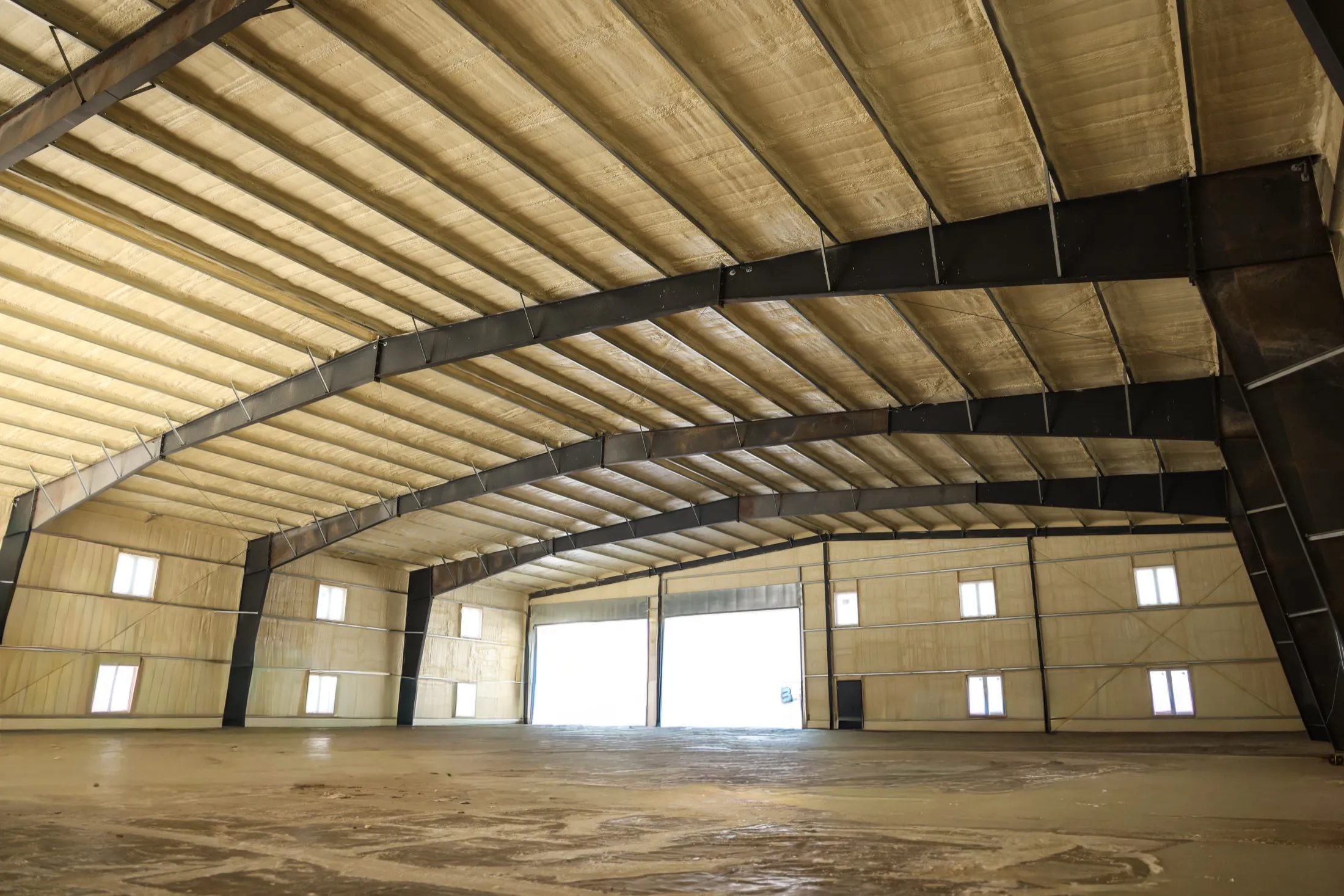
Spray foam combines insulation and air sealing in one application and is often the better fit for rooflines, rim joists, crawl spaces, and areas where moisture control matters. Blow-in insulation is usually the more budget-friendly choice for topping up an open attic, and a good contractor will tell you honestly which approach matches your building.
What A Free Estimate Covers
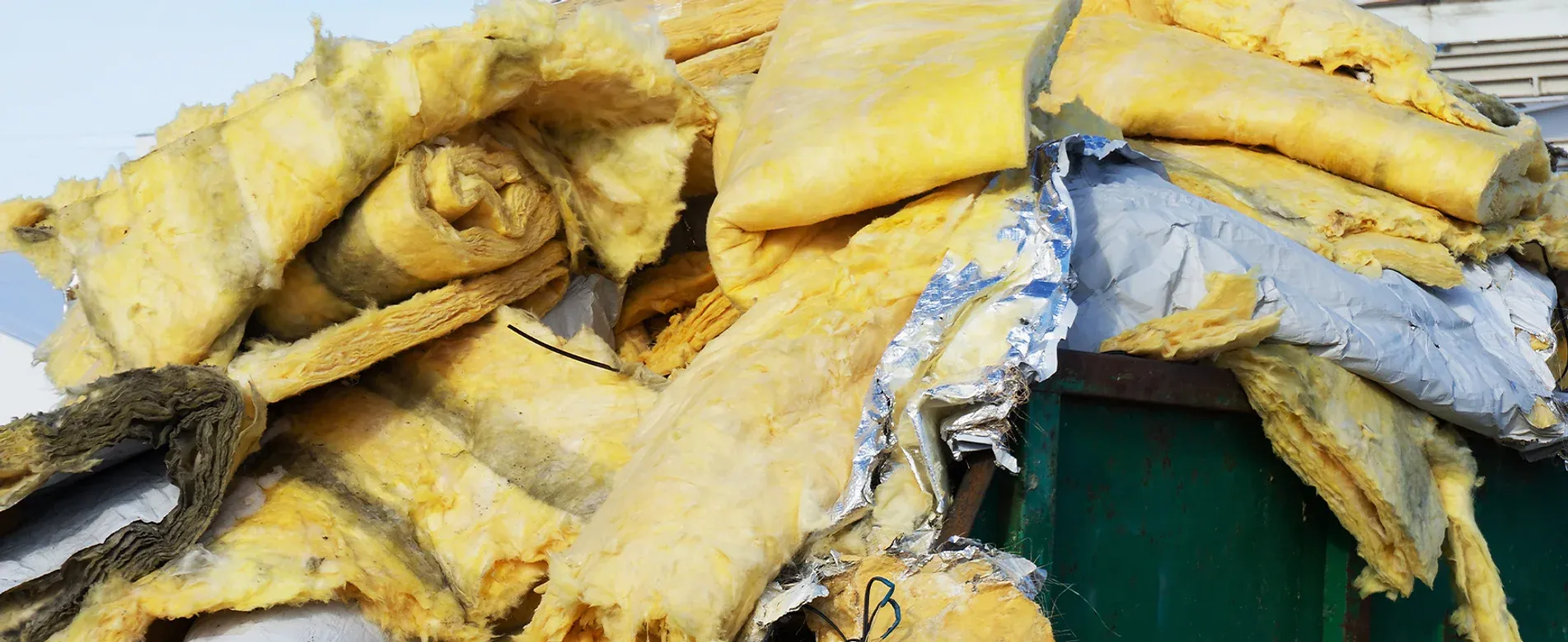
A free estimate gives you a practical read on the building, not a generic square-foot guess. The visit can cover current attic insulation levels, target depth, material options, access constraints, ventilation condition, and whether air sealing or old insulation removal should be part of the scope.
You can also discuss residential or commercial goals, such as comfort in problem rooms, topping up aging insulation, or deciding between blown-in material and spray foam for a specific area. The goal is a clear scope that matches the building instead of overselling one product where another approach would make more sense.
Spray Foam in Action

Other Spray Foam Services
Common Questions
Is blow-in insulation a good choice for Scottsdale-area buildings?
Yes. Blow-In Insulation works well for many Scottsdale-area homes and commercial buildings, but the right choice depends on the space, the assembly and how it is used. During a free estimate we confirm whether blow-in insulation or another option fits your building.
How much does blow-in insulation cost?
Cost depends on the area being treated, the material and thickness, access and prep. Estimates are free and given in writing, so you know the price before any work begins.
How long does blow-in insulation take to install?
Most residential projects are completed quickly once scheduled. Your written estimate includes the expected timeline for your specific Scottsdale-area project.
Want to Know What Your Project Would Cost?
Tell us about the property and we'll help you determine the next step.
Free Estimates • Licensed & Insured • Local Arizona Team